

Strategic Boost for Pakistan Maritime Trade: Karachi and Gwadar Ports Witness Surge Amid Gulf Shipping Crisis
Strategic Boost for Pakistan Maritime Trade: Karachi and Gwadar Ports Witness Surge Amid Gulf Shipping Crisis
KARACHI / ISLAMABAD — Ongoing geopolitical tensions and disruptions in traditional Gulf maritime routes have prompted international shipping lines to pivot toward Pakistani ports as a viable alternative. This strategic shift has significantly accelerated commercial activities at both the Karachi and Gwadar ports.
Influx of New Cargo at Karachi's Hutchison Ports
According to a report by Arab News, Hutchison Ports Pakistan has confirmed that a substantial volume of new transshipment cargo is being rerouted to Pakistan via multiple ocean liners. Two vessels have already docked at the port, with a third scheduled to arrive in the first week of June.
Capacity Expansion: The Hutchison Ports terminal in Karachi is set to handle an additional 4,000 new transshipment cargo units.
Projected Growth: This influx will scale up the total cargo volume, surpassing 14,300 units by March 2026.
Gwadar Port Activity Surges as Authorities Slash Operational Tariffs
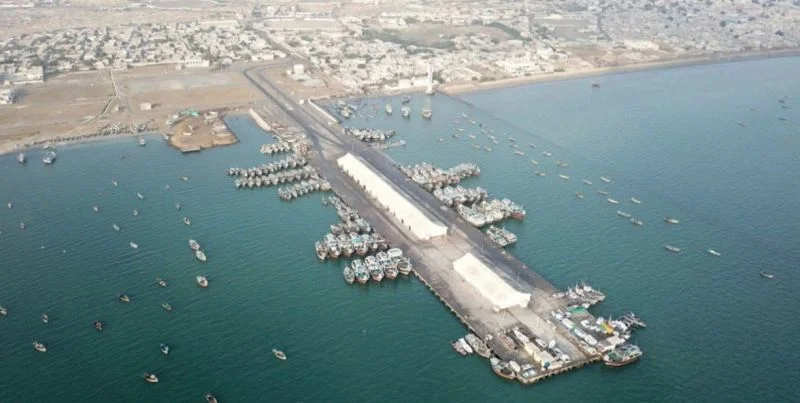
Maritime officials have revealed that the Gulf crisis has catalyzed operations at Gwadar Port, where commercial activity has scaled up from 20% to 30%.
To maximize the port's appeal to global shipping conglomerates, the government has introduced aggressive tariff reductions:
Berthing Fees: Reduced by 25%
International Transshipment Cargo Charges: Slashed by 40%
Transit Cargo Charges: Discounted by 31%
Official Statement: "With the operationalization of CPEC 2.0, the expansion of regional trade corridors, and incoming foreign direct investment, Gwadar's geo-strategic importance is poised for exponential growth."
Maritime Experts Forecast Pakistan as the Next Regional Logistics Hub
Industry experts view the heightened activity at Karachi, Port Qasim, and Gwadar as a strong indicator of Pakistan's potential to become a pivotal player in regional logistics and transshipment. Pakistan's highly strategic geographical location naturally positions its coastal infrastructure to serve as the premier trade gateway for the region