

Eid ul Adha: Pakistan Expects Rs 8.7 Billion Economic Activity from Sacrificial Animal Hides
Eid ul Adha: Pakistan Expects Rs 8.7 Billion Economic Activity from Sacrificial Animal Hides
The trade of sacrificial animal hides during Eid ul Adha in Pakistan is set to generate massive economic momentum, engaging millions in seasonal livelihoods and solidifying the core supply chain of the country’s multi-million dollar leather industry.
H2: Arab News Report: High Purchasing Power Drives 17% Growth in Sacrifices
According to a report published by Arab News, Pakistan is projected to witness the sacrifice of approximately 7.5 million animals this year. The trade of hides from these animals is estimated to generate Rs 8.7 billion ($31 million) in direct economic activity.
The report further highlights a significant 17% increase in the number of sacrificial animals in Pakistan over the last decade. Financial experts view this growth as a strong indicator of robust consumer purchasing power and resilient economic confidence within the country.
Breakdown of Expected Sacrificial Hides
The projected data for animal hides expected to enter the market this season includes:
Cows & Bulls: 2.8 million
Goats: 4.3 million
Sheep: 500,000
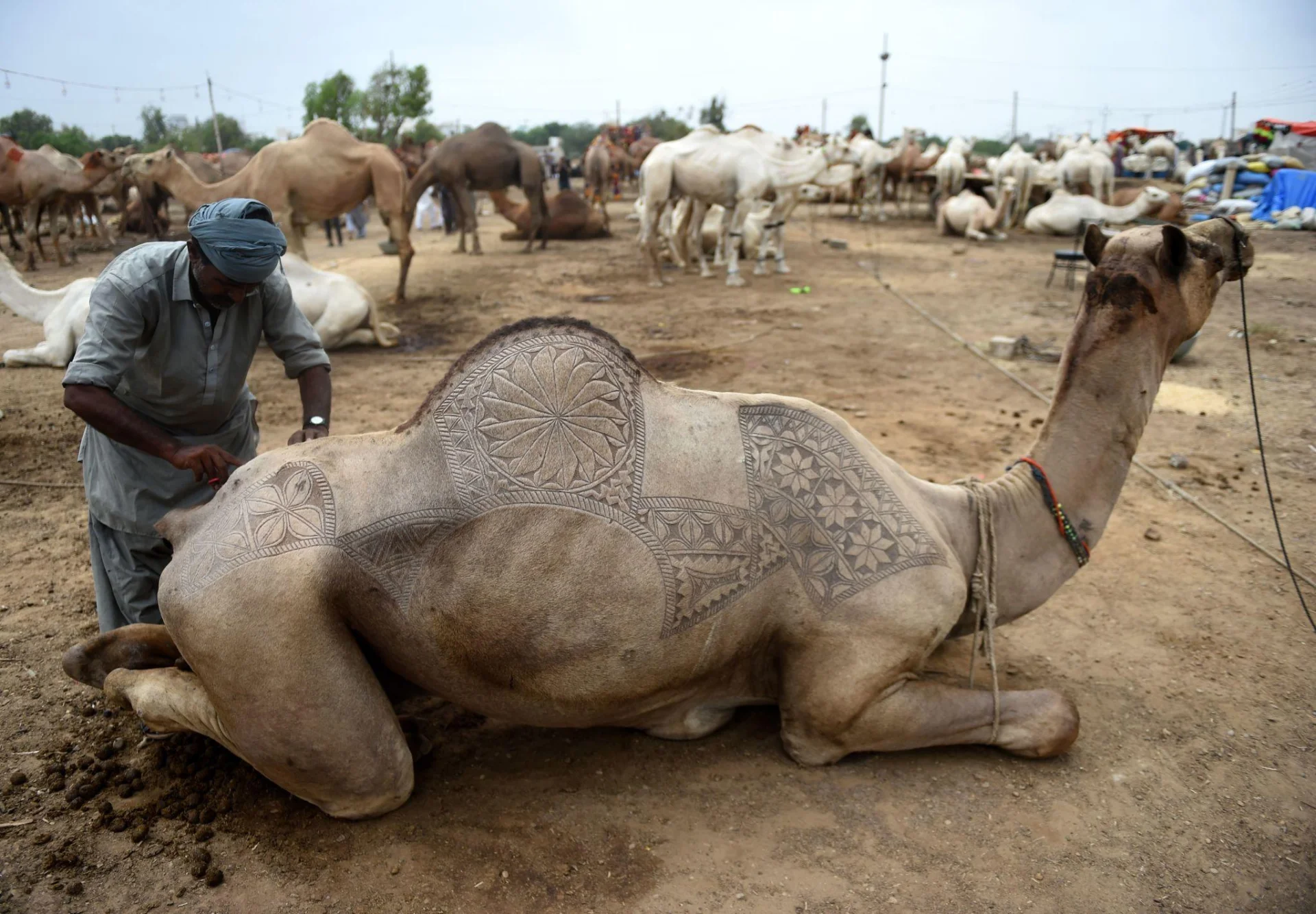
Camels: 30,000
Industrial Shift: Moving from Raw Hides to Value-Added Leather Goods
The global news outlet also pointed out a strategic shift in Pakistan's leather sector over the past nine years. The industry has progressively moved away from exporting raw hides toward manufacturing high-profit, value-added finished goods.
Currently, Pakistan's exports of finished leather products and footwear have reached an impressive volume of $694.20 million.
Government Initiatives and Expert Insights
Economic analysts state that the federal government is actively implementing policies to accelerate this transition from raw material dependency to high-end manufacturing. By processing raw hides into premium leather goods locally, Pakistan aims to capture a larger share of the global market, boosting national export revenues during the peak fiscal window following Eid ul Adha.