

Balochistan Demands Release of Its Share of Water from Sindh as Pat Feeder Canal Faces 58% Shortfall
Quetta: The Government of Balochistan has formally written to the Government of Sindh, demanding the immediate release of the province’s allocated share of water in accordance with the Indus River System Authority (IRSA) Agreement.
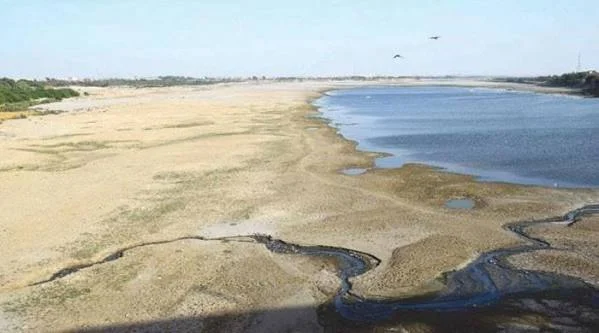
In the letter, the Balochistan government expressed serious concern over the severe water shortage in the Pat Feeder Canal and Kirthar Canal, both of which play a vital role in irrigating agricultural lands across various regions of the province.
58 Percent Reduction in Water Supply to Pat Feeder Canal
According to officials of the Irrigation Department, Sindh is not providing Balochistan with its full share of water as stipulated under the IRSA agreement, creating significant hardships for farmers and local communities.
Engineer Mudassar Zafar Khosa, Superintending Engineer of the Irrigation Department's Nasirabad Circle, urged the Sindh government to address the issue immediately and restore Balochistan’s rightful water share.
The letter states that the discharge in the Pat Feeder Canal has dropped from 6,500 cusecs to 2,725 cusecs, while the canal's overall water availability has declined by 58 percent.
Rice Crop Faces Serious Threats
Engineer Mudassar Zafar Khosa maintained that Sindh is diverting water allocated to Balochistan into its own canal system, adversely affecting agricultural activities in the province.
He warned that the continued shortage of water could severely damage agricultural production, particularly the rice crop, and create major challenges for farmers during the cultivation season.
Proposal for Third-Party Monitoring to Ensure Transparency
To ensure fair water distribution and full implementation of the IRSA agreement, the Government of Balochistan has also proposed third-party monitoring. The proposal aims to provide a transparent and impartial assessment of water distribution between the two provinces.
Officials emphasized that immediate measures are essential to resolve inter-provincial water disputes and protect the agricultural sector from further losses.