

Latest news
Woman and Four Children Killed in Domestic Dispute in Wahdat Colony; Balochistan Interior Minister Takes Notice Balochistan Home Minister Expresses Grief Over Killing of Woman and Four Children in Quetta How Long Will Honest Officers in Balochistan Remain Targets of Retaliation? Alleged BLA Women’s Network Exposed; Recruitment and Radicalization Tactics Come Under Spotlight FC Balochistan (South) Conducts Decisive Operations Against Anti-State Elements Middle East Crisis: Iran Launches Massive Missile Attack on Israel; Trump Orders Netanyahu to Halt Retaliation Quetta Acid Attack: Dr. Mah Noor’s Condition Stable, Vision Preserved; Treatment Continues at AKUH Rakhni to Be Developed into a Modern Model Divisional City; Major Development Projects Approved Acid Attack on Dr. Mah Noor: Mahira Khan, Yasir Hussain and Other Celebrities Demand Justice Asifa Bhutto Zardari Strongly Condemns Acid Attack on Dr. Mah Noor Nisar, Recommends Civil Award for Abdul Razzaq Tareen “Pakistan Stands With You” — CM Sarfraz Bugti Visits Dr. Mah Noor Nisar Balochistan Women Parliamentary Caucus Condemns Acid Attack on Female Doctor in Quetta Doctor Mah Noor Acid Attack: CM Bugti Announces Civil Award for Abdul Razzaq Tareen for Heroic Rescue Effort Strong Earthquake Strikes Philippines: 5 Killed, Several Injured, State Media Confirms Pak-Afghan Trade Suspension Plunges Afghan Farmers into Severe Financial Crisis Gilgit-Baltistan Assembly Elections: PPP Takes Clear Lead in Unofficial Results, Wins 9 Seats
Balochistan Khabar

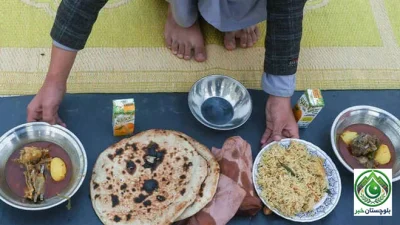
Pakistan Among Countries Facing Severe Food Insecurity

Pakistan Among Countries Facing Severe Food Insecurity

Islamabad (Balochistan News Desk) The United Nations, in its latest report on the global food crisis, has included Pakistan in the list of countries requiring urgent and emergency measures.

The report also includes Afghanistan, Bangladesh, the Democratic Republic of Congo, Myanmar, Nigeria, Sudan, Syria, and Yemen.

According to the data, during 2025 approximately 11 million people in Pakistan faced severe food insecurity, out of which around 9.3 million were classified at crisis level and 1.7 million were in emergency conditions, which is considered one of the most dangerous levels after famine.

The report states that a major cause of the food crisis in Pakistan is climate change, including heavy rains and floods that severely damaged agricultural production and infrastructure.

It further noted that floods during the 2025 monsoon season affected more than 6 million people across the country, while crop destruction also impacted food availability.

According to the report, Balochistan, Sindh, and Khyber Pakhtunkhwa have been identified as the most affected regions, however, due to the lack of complete data from some areas, the full extent of the situation could not be determined.