

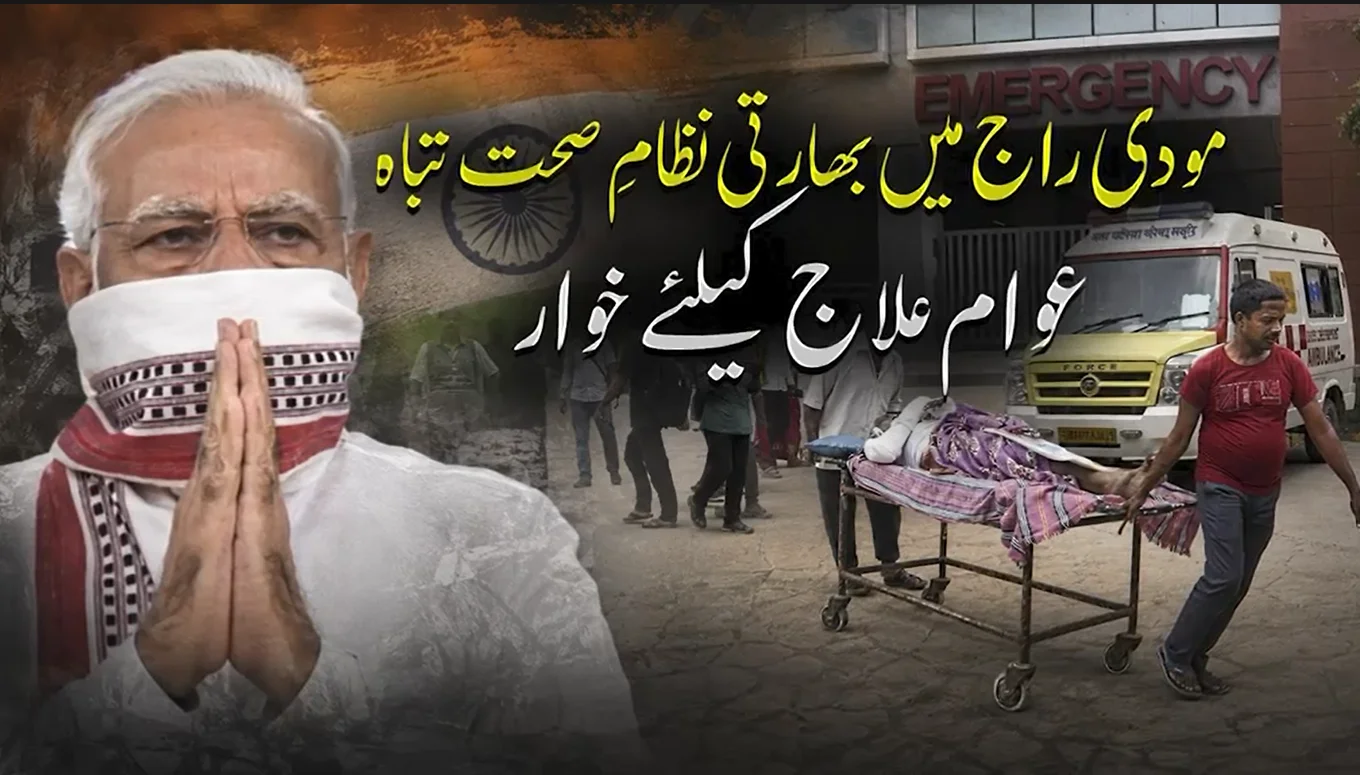
India’s Healthcare Crisis: Parliamentary Committee and Lancet Report Reveal Serious Gaps
New Delhi: India’s public healthcare system is facing serious administrative and financial challenges, with shortages of medical staff and inadequate facilities leaving many citizens struggling to access essential healthcare.
A report by the Parliamentary Standing Committee on Health, published by Indian outlet The Wire, has highlighted significant shortages of medical professionals and essential infrastructure across government hospitals.
Severe Shortage of Specialists in District Hospitals
According to the parliamentary report, many district hospitals across India lack adequate infrastructure and specialist services for kidney-related diseases.
Key Findings
- Lack of nephrologists: District hospitals in at least 29 states and Union Territories reportedly have no nephrologist.
- Shortage of technical staff: District hospitals across 20 states and Union Territories reportedly lack dialysis technicians and urologists.
- Unapproved positions: Several state governments have reportedly failed to approve essential medical posts for kidney care at district-level public hospitals.
- Rising disease burden and limited data: An estimated 13–16% of India’s adult population is affected by kidney-related diseases, while updated nationwide data on treatment and disease prevalence remains limited.
Lancet Commission Highlights Resource and Funding Problems
A Lancet Commission report has also raised concerns about inequalities in healthcare access, inefficient allocation of resources and inadequate financial protection for citizens.
Healthcare experts and analysts argue that strengthening public healthcare requires greater investment in medical infrastructure, staffing and affordable treatment.
The findings highlight the growing need for comprehensive reforms to ensure that India’s public healthcare system can provide accessible, adequately staffed and financially sustainable medical services to its population.