

Understanding Hajj: A Complete Step-by-Step Guide to the Pillars of Pilgrimage
Understanding Hajj: A Complete Step-by-Step Guide to the Pillars of Pilgrimage
From the Sacred State of Ihram to the Farewell Tawaf; An Authoritative Manual for the 8th to 12th of Dhul Hijjah
Hajj is one of the five core pillars of Islam, mandatory once in a lifetime for every adult Muslim who possesses the physical and financial means. This sacred journey takes place annually from the 8th to the 12th of the Islamic month of Dhul Hijjah, bringing millions together in Mecca and its holy vicinities: Mina, Arafat, and Muzdalifah.
To ensure the spiritual and procedural validity of this holy obligation, pilgrims must follow a strictly ordained sequence of events. Here is the comprehensive, step-by-step roadmap of the Hajj rituals:
1. Entering the State of Ihram (Intent and Attire)
The pilgrimage officially commences with entering the state of Ihram, which represents spiritual purity and absolute equality.
For Men: Two pieces of unstitched white cloth; one wrapped around the waist (Izar) and the other draped over the torso (Rida).
For Women: Any modest, loose-fitting regular clothing. The face and hands must remain uncovered.
After wearing the attire, the pilgrim makes the formal intention (Niyyah) for Hajj and continually recites the Talbiyah: "Labbayk Allahumma Labbayk..." (Here I am at Your service, O Allah...). Once declared, strict restrictions on hunting, cutting hair/nails, and using perfumes apply.
2. 8th Dhul Hijjah (Yawm-ut-Tarwiyah): Departure to Mina
Pilgrims migrate from Mecca to the vast tent city of Mina. Here, they spend the day and night reciting the Quran and praying. They offer five daily prayers—starting from Dhuhr on the 8th to Fajr on the 9th of Dhul Hijjah—shortening the four-rak'ah prayers (Qasr) as per prophetic tradition.
3. 9th Dhul Hijjah (Waqoof-e-Arafat): The Supreme Pillar of Hajj
The Assembly at Arafat: On the afternoon of the 9th, all pilgrims gather on the plains of Mount Arafat. Standing here in supplication until sunset is the core climax (Rukn-e-Azam) of Hajj; without it, the pilgrimage is invalid. Dhuhr and Asr prayers are combined here (Jam' Taqdeem).
The March to Muzdalifah: Immediately after sunset, without praying Maghrib, pilgrims move toward the open plains of Muzdalifah. Here, Maghrib and Isha prayers are offered together (Jam' Takhir). Pilgrims sleep under the open sky and collect pebbles to be used for the stoning ritual.
4. 10th Dhul Hijjah (Yawm-un-Nahr): Stoning, Sacrifice, and Halq
The 10th of Dhul Hijjah (Eid-ul-Adha) is the most intensive day of the pilgrimage, involving four specific actions in sequence:
Ramy (Stoning the Devil): Pilgrims return to Mina to cast seven pebbles at the largest pillar, Jamarat al-Aqabah.
Hady (Animal Sacrifice): Following the stoning, an animal sacrifice is offered in gratitude.
Halq or Qasr (Shaving/Cutting Hair): Men shave their heads completely (Halq) or trim their hair equally (Qasr), while women trim the tips of their hair by an inch. Afterward, the restrictions of Ihram are lifted, and normal clothing can be worn.
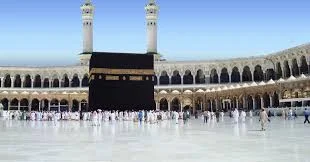
Tawaf-e-Ziyarah and Sa'iy: Pilgrims proceed to the Masjid al-Haram in Mecca to perform the mandatory Hajj circumambulation (Tawaf-e-Ziyarah) around the Kaaba, followed by walking seven times between the hills of Safa and Marwa (Sa'iy).
5. 11th & 12th Dhul Hijjah (Ayyam-at-Tashreeq): Stoning All Three Pillars
Pilgrims stay in Mina for these two days. Each afternoon, after midday (Zawal), they pelt seven pebbles at all three pillars in sequence: Jamarat al-Oola (small), Jamarat al-Wusta (medium), and Jamarat al-Aqabah (large). Pilgrims must leave Mina for Mecca before sunset on the 12th of Dhul Hijjah if they choose to wrap up the ritual.
6. Tawaf-ul-Wada (The Farewell Circumambulation)
Before departing Mecca for their home countries, international pilgrims must perform one final circumambulation around the Holy Kaaba, known as Tawaf-ul-Wada. This marks the official conclusion of the Hajj pilgrimage.
Official Resources: For real-time updates, strict legal regulations, and official circulars regarding seasonal arrangements, pilgrims are advised to consult the official website of the Ministry of Hajj and Umrah, Kingdom of Saudi Arabia.