

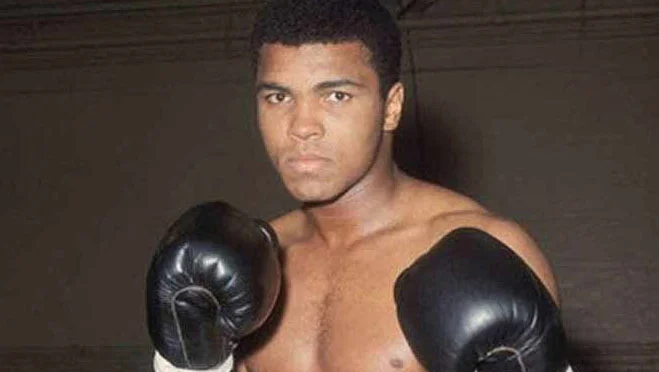
Ten Years Since the Passing of Boxing Legend Muhammad Ali
Chicago: Ten years have passed since the death of Muhammad Ali, widely regarded as one of the greatest boxers in history. However, his remarkable achievements and humanitarian ideals continue to live on in the hearts of millions around the world.
The globally renowned boxer competed in 61 professional bouts during his career, winning 56 of them. He rose to extraordinary international fame in 1964 after defeating Sonny Liston.
Later, he knocked out George Foreman to capture the world heavyweight title at the age of 32. In recognition of his exceptional abilities, the World Boxing Council honored him with the title of “King of Boxing.”
Muhammad Ali embraced Islam in 1964 and began a new chapter in his life. He was not only a great athlete but was also respected worldwide for his principled stance, courage, and commitment to humanity.
In 1967, he refused to participate in the Vietnam War, a decision that resulted in the loss of his world heavyweight title and a temporary suspension from boxing. However, his steadfast position made him a prominent symbol of the struggle for human rights and justice.
In the final years of his life, he battled Parkinson's disease, but the illness never diminished his determination, resilience, or dedication to humanitarian causes.
On June 3, 2016, Muhammad Ali passed away, but his contributions to sports, humanity, and principled leadership continue to keep his legacy alive.