

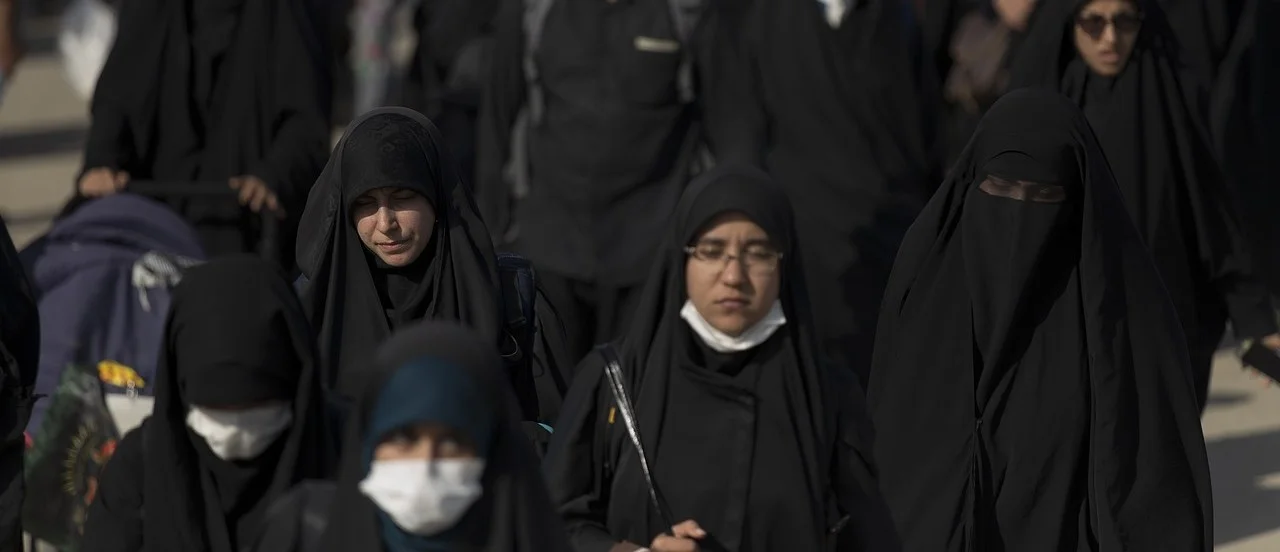
Taliban Regime Intensifies Crackdown on Women; Arbitrary Arrests Under Dress Code Draw Global Condemnation
: A new wave of restrictions and alleged abuses against women has emerged under the Afghan Taliban regime, raising concerns that women are being systematically excluded from public and social life. According to recent reports, authorities have reportedly carried out arbitrary arrests of women in several Afghan cities, including Herat, under the pretext of enforcing dress code regulations. The actions have sparked strong criticism from the United Nations and international human rights organizations.
Strong Reaction from the United Nations and Rights Groups
International organizations have strongly condemned the Taliban’s latest policies and actions:
United Nations Assistance Mission in Afghanistan (UNAMA):
UNAMA expressed serious concern over reports of women being detained in Herat under the guise of dress code enforcement. The mission urged the Taliban authorities to ensure freedom of movement for all citizens and uphold the legal rights and equality of both women and men.
Rawadari Human Rights Organization:
The organization voiced deep concern over the situation, stating that detaining and punishing women without legal justification or due process constitutes a clear violation of fundamental human rights.
Purple Saturdays Movement:
The women’s rights advocacy group described the arrests as a direct attack on human dignity and an individual’s right to choose their clothing, calling on the international community to increase pressure for the protection of Afghan women.
Experts Criticize Policies as Contrary to Islamic Principles
Experts in international affairs and Islamic jurisprudence have criticized the measures, arguing that they are aimed at consolidating political control rather than upholding religious values.
According to analysts, the Taliban regime is attempting to maintain its grip on power by restricting women’s fundamental rights and limiting their participation in society. They argue that authentic Islamic teachings guarantee women’s rights to education, development, and social participation, whereas the current policies represent a restrictive interpretation imposed by the authorities.
Growing International Concern
The international community has repeatedly warned that continued restrictions on women’s rights are pushing Afghanistan further into diplomatic isolation. Human rights advocates maintain that protecting women’s freedoms and ensuring equal participation in society remain essential for the country’s long-term stability and development.