

Pakistan's Independence: A Story of Extraordinary Sacrifice, Migration, and Unwavering Resolve
Islamabad (Web Desk):
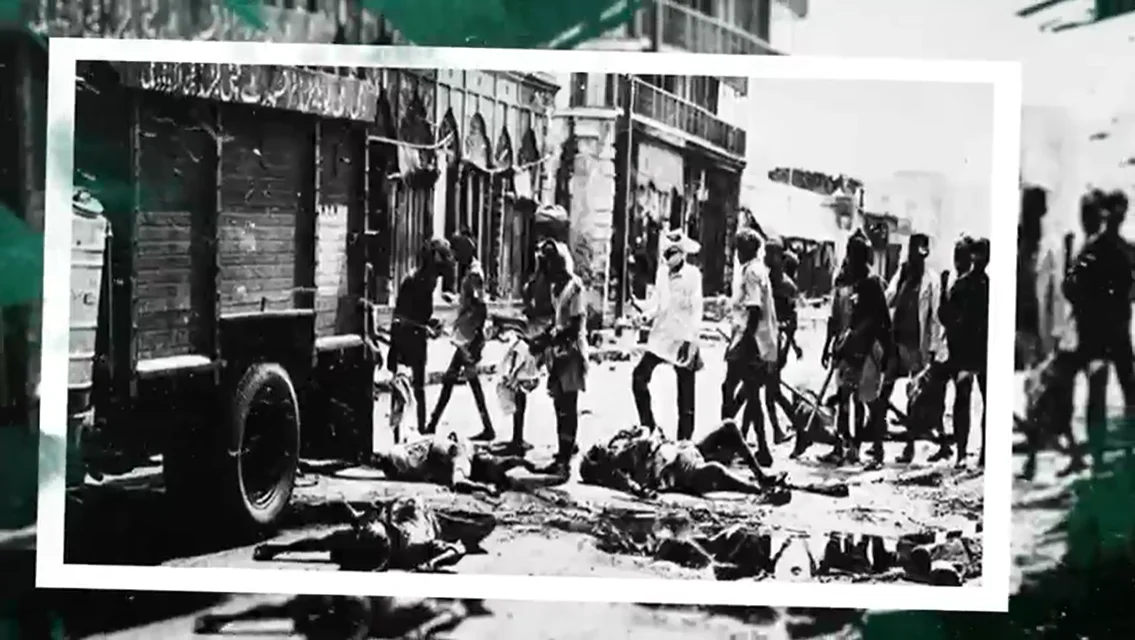
The history of the Pakistan Movement is a story of the courage, determination, and sacrifices of the Muslims of the Indian subcontinent, who struggled for what became an independent homeland. Established on August 14, 1947, Pakistan emerged after years of political mobilization, mass migration, and profound human suffering during the Partition of British India.
An Eyewitness Reflects on the Pakistan Movement
Recalling the events surrounding the creation of Pakistan, an elderly citizen shared memories of life before independence and the struggle that led to the country's establishment.
According to the individual:
"Muslims in the subcontinent aspired to live in accordance with their religious beliefs, cultural identity, and social values. This aspiration contributed to the demand for a separate homeland."
The eyewitness further recalled:
- Public enthusiasm: Muslims from across the subcontinent attended the public gatherings of Quaid-e-Azam Muhammad Ali Jinnah, expressing strong support for the movement.
- Inspirational leadership: He credited Jinnah's political leadership and determination with uniting many Muslims around a common political objective and strengthening their confidence in pursuing it.
Quaid-e-Azam's Leadership
The eyewitness described Quaid-e-Azam Muhammad Ali Jinnah as a principled leader who emphasized constitutional politics, integrity, and unity. According to this account, his leadership played a central role in bringing together supporters of the Pakistan Movement under a shared vision.
The Responsibility of Future Generations
The article concludes by stating that the sacrifices associated with Pakistan's creation should inspire citizens to contribute positively to the country's development, economic progress, peace, and prosperity.
Note: This is a translation of the provided article. Statements regarding the motivations for Pakistan's creation and assessments of historical figures reflect the perspective presented in the original text. The history of the Partition and the Pakistan Movement is a subject of extensive historical scholarship and multiple interpretations.