

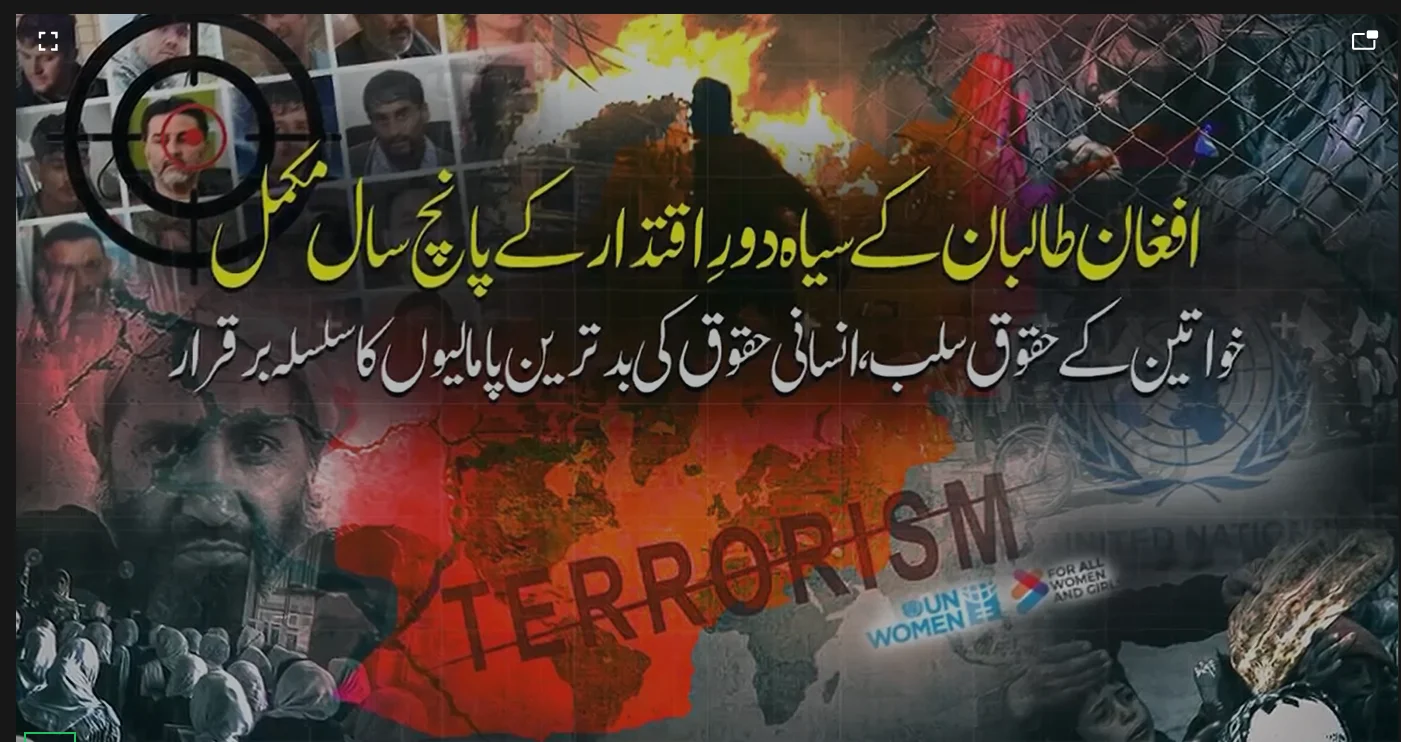
Five Years of Taliban Rule Marked by Severe Human Rights Violations and Escalating Repression of Women
UN and Human Rights Watch Reports Highlight Authoritarian Policies and Worsening Humanitarian Crisis in Afghanistan
Kabul / New York (Web Desk) — Five years after the Taliban returned to power in Afghanistan, international organizations say the country has experienced a dramatic decline in human rights, economic conditions and social freedoms. Reports by the United Nations and leading human rights organizations describe a period marked by widespread restrictions, particularly affecting women and girls, alongside a worsening humanitarian crisis.
UN Women Report: More Than 100 Discriminatory Decrees Targeting Women
According to a recent document released by UN Women, the Taliban authorities have issued more than 100 discriminatory orders affecting women since taking power.
Education and Healthcare Crisis: Restrictions on women’s education and employment could contribute to shortages of more than 25,000 female teachers and healthcare workers by 2030, according to the report.
Psychological Stress and Insecurity: More than 70 percent of Afghan women are reported to suffer from severe psychological distress, while over three-quarters say they do not feel safe leaving their homes.
Loss of Legal Equality: Human rights groups argue that changes to Afghanistan’s legal and judicial system have made it increasingly difficult for women to access courts and seek legal remedies.
UNAMA Reports Arbitrary Arrests, Killings and a Deepening Food Crisis
The United Nations Assistance Mission in Afghanistan (UNAMA) and the World Food Programme (WFP) have also documented serious human rights concerns and worsening humanitarian conditions.
Key Findings
Crackdown Over Dress Code: UN reports cite incidents in Herat province in which women were reportedly detained over alleged violations of dress regulations, with some cases involving serious violence.
Former Security Personnel Targeted: Between April and June, at least 29 former Afghan military personnel were reportedly detained, with several allegedly killed or subjected to severe abuse.
Severe Food Shortages: According to the WFP, around 3.7 million children and 1.2 million pregnant women in Afghanistan are at risk of hunger and malnutrition amid the country’s ongoing humanitarian crisis.
Culture of Impunity: Human Rights Watch researcher Fereshta Abbasi has argued that the past five years have been characterized by a lack of accountability for serious abuses and their devastating consequences.
Afghanistan’s Human Rights Crisis Continues
International organizations continue to call on the Taliban authorities to restore fundamental rights, particularly for women and girls, ensure accountability for alleged abuses, and address the worsening humanitarian emergency affecting millions of Afghans.