

Pak-Afghan Trade Suspension Plunges Afghan Farmers into Severe Financial Crisis
Restrictions on access to Pakistani markets hit Afghan agricultural exports; tomato and vegetable prices collapse locally
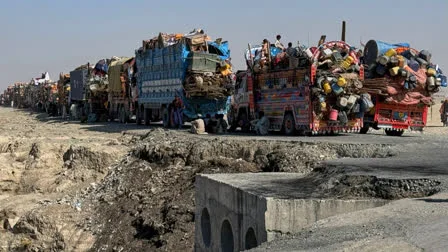
KABUL (Web Desk): The persistent closure of trade routes with Pakistan, driven by cross-border security issues and the policies of the Afghan Taliban regime, has triggered a severe financial crisis for Afghan farmers and agriculturists. The suspension of bilateral trade has caused a catastrophic drop in the local prices of tomatoes, onions, fresh fruits, and vegetables, leaving farmers unable to recover their basic production costs.
Official channels and trade experts highlight that commerce between the two neighbors frequently faces disruptions due to security tensions, cross-border movements, and allegations of militant safe havens inside Afghanistan. Consequently, the landlocked country's vital agrarian economy is bearing the brunt of these political frictions.
Unprecedented Price Crash: Farmers Laments
In video clips circulating on social media, distressed Afghan farmers can be seen highlighting the destruction of their ready-to-harvest crops. Describing the economic blow, one local grower stated:
"Previously, a Maund (around 40kg) of tomatoes would fetch up to 12,000 Afghanis in the market. Today, with export routes sealed and local supply overflowing, the price has plummeted to a meager 500 Afghanis."
The affected farming community has urged the Taliban administration to address their grievances immediately and find a viable diplomatic solution, as the current market crash is rendering them bankrupt.
Impact on the Agriculture Sector & Expert Analysis
Economic analysts specializing in South Asian trade emphasize that Afghanistan's agricultural sector relies heavily on Pakistani transit routes and consumer markets.
Export Restrictions: Since fresh produce is highly perishable, any prolonged delay or closure at border terminals like Torkham and Chaman leads to immediate spoilage, resulting in millions of dollars in losses.
Domestic Discontent: The ongoing border closures have prompted regular Afghan citizens and traders to openly question the administration's current regional policies. Critics argue that the failure to curb extremist elements is directly isolating Afghanistan economically, forcing ordinary citizens to pay the price.