

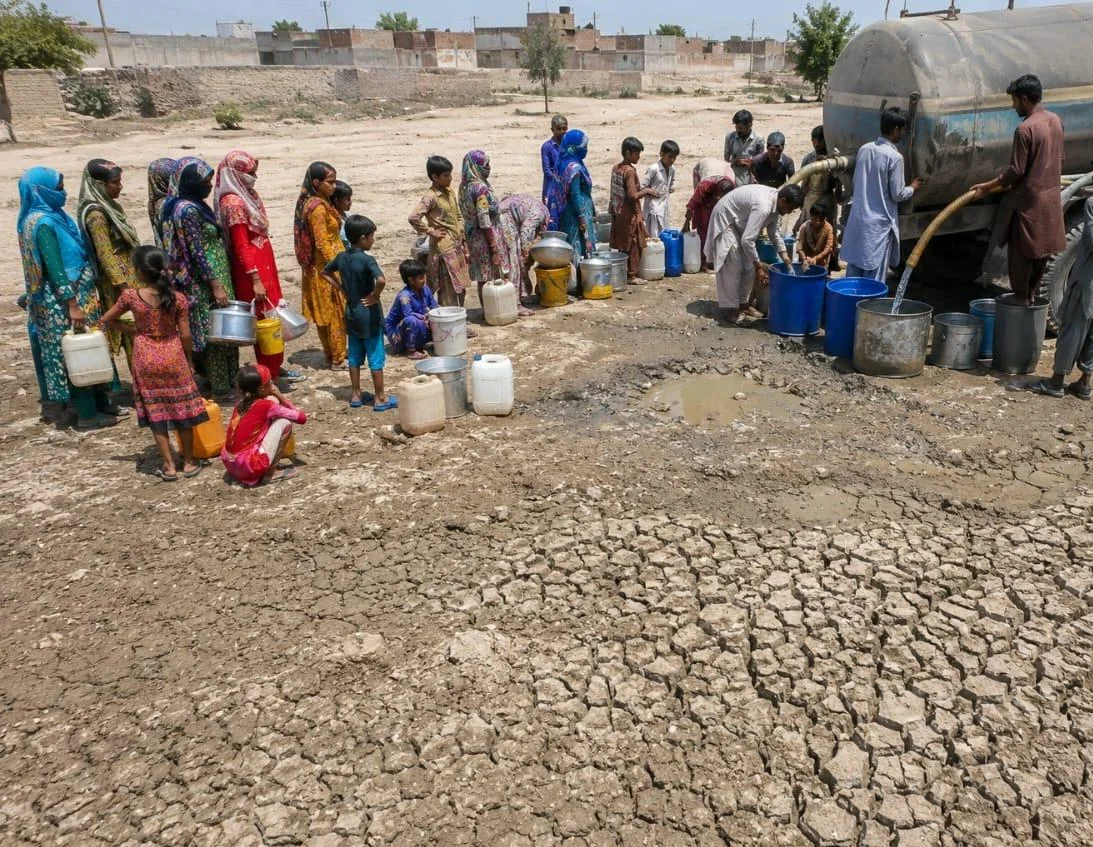
Dasht Balochistan Faces Decades of Neglect Amid Growing Calls for Development
Four Decades of Neglect: The Urgent Need for Infrastructure and Economic Development in Dasht, Balochistan
QUETTA: Dasht, a strategically significant yet severely marginalized region in Balochistan, continues to suffer from over four decades of systemic backwardness, deprivation, and persistent administrative neglect. Despite continuous transitions in governance, the area remains stripped of fundamental civic amenities, pushing the local population into a protracted humanitarian and economic crisis.
The absence of sustainable development frameworks has paralyzed life in Dasht, turning basic survival into a daily struggle for its inhabitants.
Core Crises: Water Scarcity, Broken Roads, and Failing Healthcare
The crisis in Dasht is defined by a complete collapse of public infrastructure, characterized by several critical deficiencies:
Severe Water Scarcity: Access to clean drinking water remains non-existent, forcing residents to rely on unsafe, distant water sources.
Decaying Infrastructure: Unpaved, dilapidated road networks have completely isolated the region, making travel treacherous and hindering trade.
Substandard Healthcare & Education: Local medical centers lack basic life-saving equipment and personnel, while educational institutions are underfunded, depriving the youth of their fundamental right to learning.
Rising Unemployment and the Plight of Vulnerable Groups
The complete absence of commercial projects and industrial planning has fueled a sharp rise in youth unemployment. With no viable livelihood opportunities, the younger generation faces growing despair. Concurrently, women, children, and the elderly bear the brunt of this institutional vacuum, living under harsh conditions without access to social safety nets.
Editorial Note: Access to clean water, quality education, modern healthcare, and secure road networks is not a privilege—it is a fundamental constitutional right of the people of Dasht.
The Path Forward: Integration into the National Mainstream
The deep-rooted grievances of Dasht can no longer be ignored. To prevent further alienation and economic decay, the provincial and federal governments must immediately implement a comprehensive development package.
True progress in Balochistan cannot be achieved while regions like Dasht are left behind. It is high time the state steps in to rebuild infrastructure, generate employment, and integrate Dasht into the national development mainstream.