

Alleged BLA Women’s Network Exposed; Recruitment and Radicalization Tactics Come Under Spotlight
Quetta: Security officials and defense analysts have raised concerns over what they describe as an increasing trend by the banned militant organization Baloch Liberation Army (BLA) to use women in terrorist activities, particularly suicide attacks, in recent years. According to security sources, the group's Majeed Brigade has adopted a strategy of placing women on the front lines not only to facilitate movement through security checkpoints but also to generate international sympathy and media attention.
The issue gained significant attention following the suicide bombing carried out by Shari Baloch at the University of Karachi, which highlighted what authorities describe as a growing effort to target educated women from middle-class backgrounds through organized propaganda and recruitment campaigns.
According to recent investigations and intelligence assessments, the BLA's alleged recruitment network operates through both online and offline channels. Security officials claim that young female students and women are exposed to literature, videos, and narratives designed to foster resentment against state institutions and gradually influence their ideological outlook.
Authorities further allege that recruiters establish contact through private social media groups and encrypted communication platforms, enabling them to maintain discreet communication and avoid detection. According to security reports, women are initially assigned logistical roles, including the transfer of funds, messages, weapons, or explosive materials, before some are allegedly prepared for more direct operational involvement, including suicide attacks.
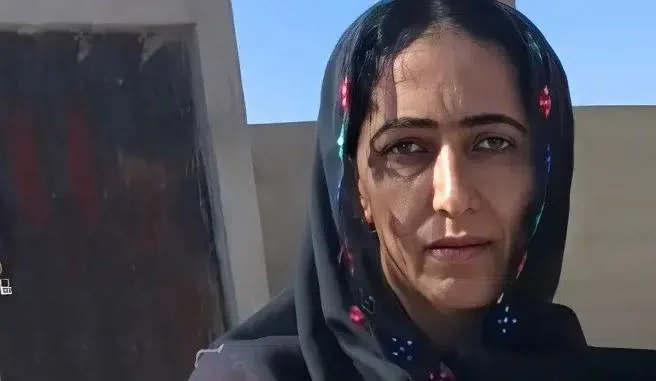
Investigations and digital monitoring efforts have also reportedly identified individuals whom security officials believe may be linked to these recruitment and propaganda networks. Among the names cited by authorities is Habiba Peer Jan.
According to security sources, Habiba Peer Jan is alleged to have been associated—either materially or ideologically—with a network accused of encouraging young women toward militancy and anti-state activities. Officials claim that ongoing inquiries are focused on determining the extent of her alleged involvement and uncovering the broader structure of the network.
Law enforcement authorities maintain that efforts to detain and investigate individuals linked to such networks are aimed at dismantling recruitment channels that, in their view, divert young women away from education, professional development, and constructive social engagement.
At the same time, statements regarding Habiba Peer Jan have also emerged from human rights organizations and other civil society groups. Security officials, however, insist that their investigations are being conducted on the basis of digital evidence, forensic analysis, and intelligence findings as they continue efforts to trace the network's alleged operations and connections.